
How a Whole-School Approach is Rewriting the Story about how Girls Engage with Books
The many benefits of reading for leisure are well documented; improving cognitive performance, decision-making skills and emotional regulation, but reading rates for adolescents are in freefall. A 2024 Deakin University study found that only 15% of teens read daily for pleasure (Singleton, Rutherford, et al, 2024). This is supported by NAPLAN data from the same year, indicating that one in three Australian students isn’t meeting literacy standards. But where some see a bad news story, others see an opportunity to make a difference, and the College is proud to be driving change and helping teens learn to love reading.
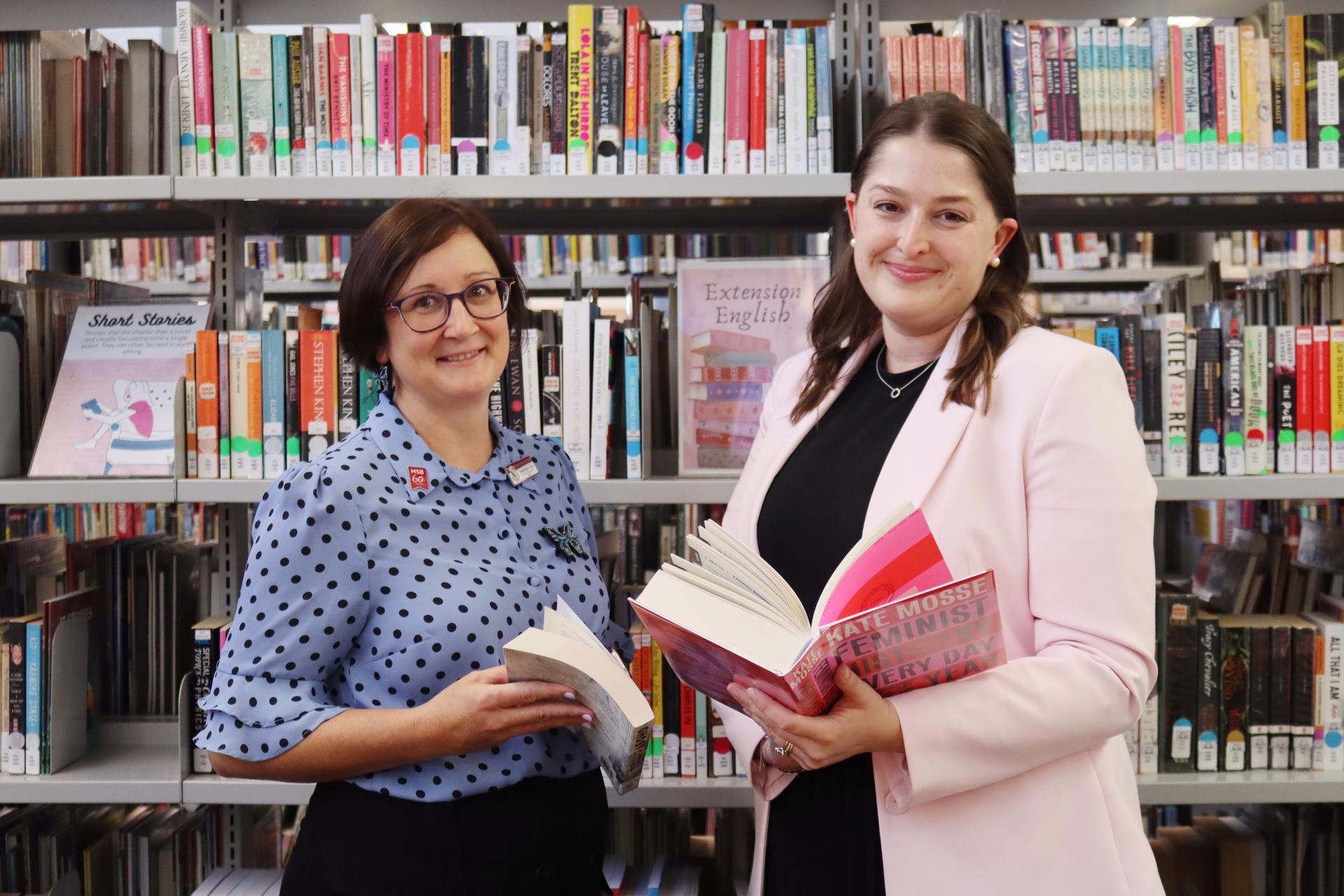
Our Wide Reading Program, designed by Ms Elle Clark, Assistant Head of Department – English, is a cornerstone of literacy, wellbeing and intellectual growth at the College. Every student in Years 8 to 10 participates in the program as part of their English studies, embarking on a thoughtfully designed three-year literary journey that nurtures curiosity, critical thinking and creative expression.
‘I believe reading is one of the most transformative habits a young person can cultivate,’ Ms Clark explains. ‘Every book expands the mind’s horizon, strengthens empathy, and awakens possibilities that did not exist before the page was turned. Through reading, we encounter lives beyond our own, wrestle with complex ideas, and discover language powerful enough to name our deepest thoughts. It is in the quiet discipline of sustained reading that confidence grows, imagination flourishes, and the foundations for articulate, purposeful writing are laid.’
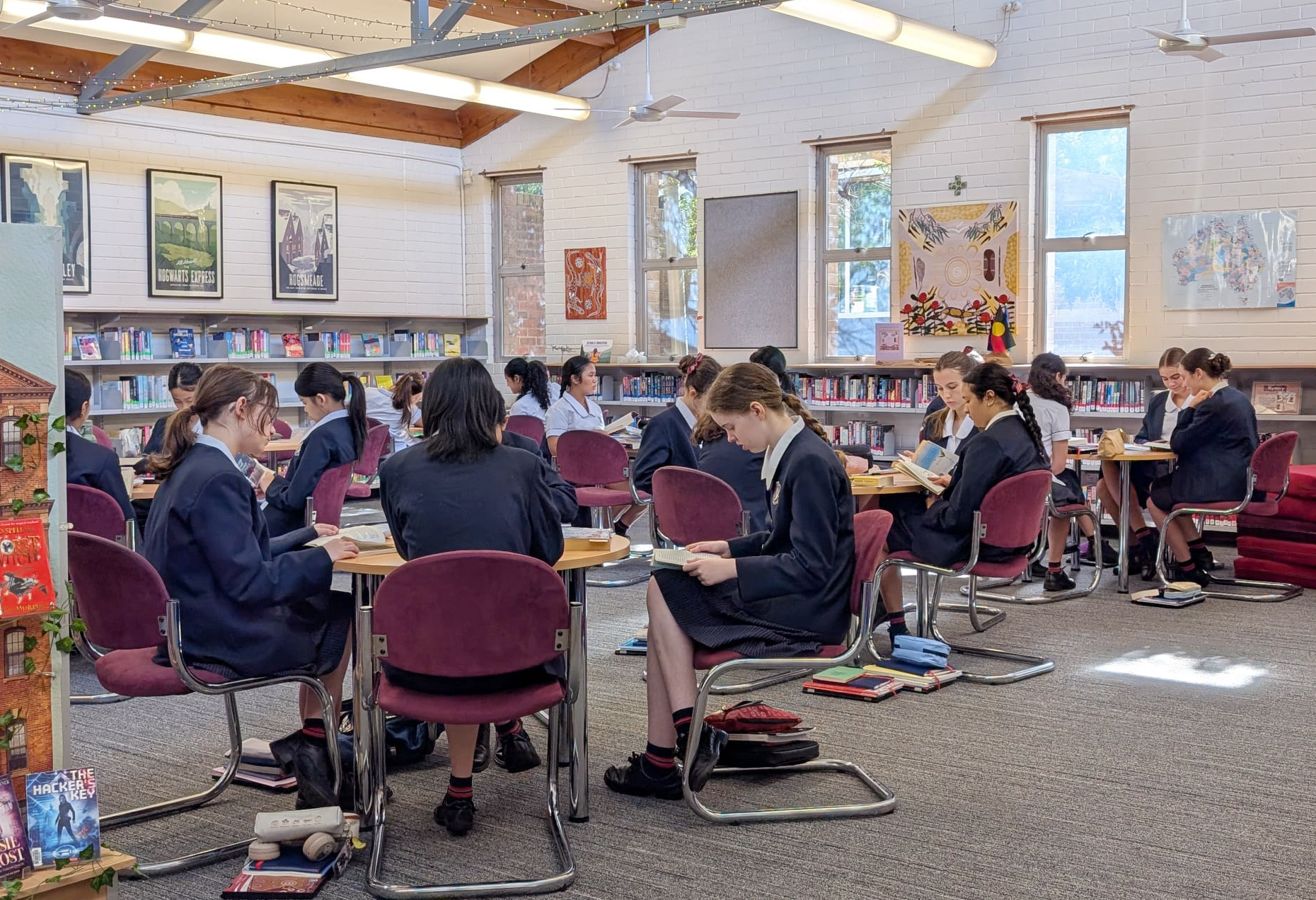
One lesson a fortnight is dedicated to the program. Students read independently in the Bennies Library, exploring a rich range of genres, forms and conceptual groupings that broaden their perspectives and deepen their engagement with the world.
In
Year 8
, students travel through genres in ‘
A Journey through Genre: My Passport to Literary Land’
, sampling everything from fantasy and dystopian fiction to historical novels and graphic texts building metacognition and reflection skills through imaginative and analytical activities.
The
Year 9
program,
‘Beyond the Bookshelf: Traversing Literary Forms’
challenges students to experiment with narrative features such as stream of consciousness, polyphony, symbolism and metafiction. Reading becomes a springboard for sophisticated creative writing, as students adapt, appropriate and reimagine literary forms.
In
Year 10
,
‘Tales and Tropes: A Tour through Literary Truths’
, students explore enduring literary tropes such as the bildungsroman, satire, displacement and identity, connecting literature to broader cultural and ethical questions.
Grounded in research around reading and wellbeing, the program also explicitly teaches students how reading strengthens focus, empathy and resilience. It is not simply about completing books: it is about forming lifelong readers who are thoughtful, articulate and compassionate.
The program also supports their learning in other subjects explained Mrs Maddie Gray, Head of Department – English. ‘I would say that being an accomplished reader is the first step to becoming a competent and thoughtful writer. Great writers imitate, emulate and experiment, appropriating the work of all the writers that they have read before. Writing is an active and creative process, regardless of whether you are writing a business report, a narrative or scientific hypothesis. Good writing needs the solid foundation of reading.’
The impact of this program extends beyond the classroom and into the home. ‘As our children's first and most important role-models, the most powerful thing a parent can do is model reading at home. This means intentionally setting time aside to read as a family, or even just read in front of their children,’ said Ms Edwina West, English Teacher. ‘The extent to which a child's parents read for pleasure is a huge determining factor in developing a child's literacy skills, fostering a lifelong love for reading, and shaping their academic success.’
The College celebrates the opportunities that for growth and connection that developing the habit of reading makes possible. As Ms Clark says, ’At its heart, Wide Reading is a celebration of story: of imagination, voice and the transformative power of literature.’